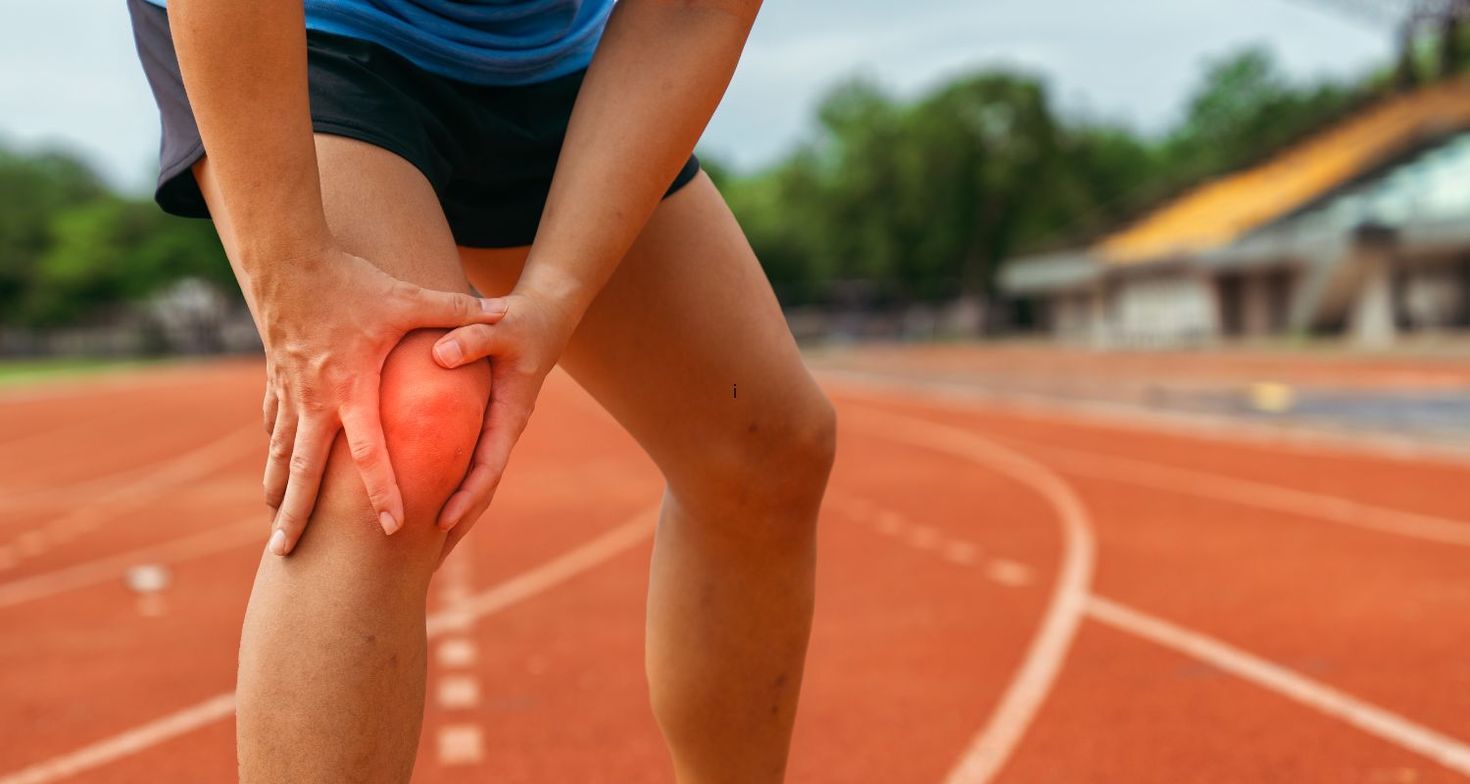
Recovering from an injury can be frustrating—especially when pain, stiffness, or limited mobility stand in the way of your daily life or athletic goals. Whether you’re dealing with a sports injury, chronic shoulder pain, or lingering tightness from a running injury, sports massage can play a powerful role in helping your body heal, move better, and feel stronger. At Momentum Health, we use sports massage therapy as part of a well-rounded, movement-focused approach to injury recovery and long-term wellness.
In this article, we’ll explain what sports massage is, how it supports injury recovery, and why working with a trained massage therapist can make a meaningful difference in your rehab journey.
What Is Sports Massage?
If you’ve ever wondered what is sports massage, it’s best described as a targeted form of massage therapy designed to support active bodies. Unlike purely relaxation-based treatments, sports massage focuses on muscles, tendons, and connective tissues that are stressed through physical activity, repetitive movement, or injury.
Sports massage therapy can include a combination of techniques such as:
-
Myofascial release
-
Effleurage (long, gliding strokes)
-
Trigger point work
-
Joint mobilization
-
Elements of deep tissue massage, when appropriate
The goal isn’t just short-term relief—it’s to improve function, reduce pain, and support the body’s natural healing processes during sports rehab.
How Sports Massage Supports Injury Recovery
1. Reduces Pain and Muscle Tension
After a sports injury—such as a hamstring injury, quad injury, or back injury—muscles often tighten to protect the area. While this is a natural response, prolonged tension can limit mobility and delay healing. Sports massage helps release this tension, reduce inflammation, and calm the nervous system, which can significantly lower pain levels.
Many clients with low back pain, shoulder pain, or tendon-related issues report feeling immediate relief and longer-term improvements with consistent sports massage therapy.
2. Improves Circulation and Speeds Healing
Injured tissues need oxygen and nutrients to repair themselves. Sports massage increases blood flow to affected areas, helping flush out metabolic waste and deliver what your body needs to heal. This can be especially helpful for conditions like Tendonitis, Runner’s Knee, and overuse injuries common in runners and recreational athletes.
3. Restores Mobility and Flexibility
Limited range of motion is a common issue after injury. Whether it’s a shoulder injury, tight hips from a running injury, or stiffness following a back injury, sports massage helps improve tissue elasticity and joint mobility. This allows you to move more freely and confidently—an essential step in preventing re-injury.
At Momentum Health, our massage therapists prioritize movement so your recovery doesn’t stop at the treatment table.
Sports Massage vs. Deep Tissue Massage: What’s the Difference?
People often ask what is a deep tissue massage, and how it compares to sports massage. While there is overlap, they are not the same.
-
Deep tissue massage focuses on sustained pressure to release chronic muscle tension.
-
Sports massage is more dynamic and goal-oriented, tailored to your injury, activity level, and stage of recovery.
A sports massage therapist may use deep tissue techniques, but only when they support healing and function—not just intensity for intensity’s sake.
Common Injuries That Benefit From Sports Massage
Sports massage can be helpful for a wide range of conditions, including:
-
Sports injuries from training or competition
-
Running injuries such as Runner’s Knee or Achilles Tendonitis
-
Shoulder pain and shoulder injuries
-
Hamstring and quad injuries
-
Back injury and low back pain
-
Postural strain from desk work or physical labor
Because massage therapy is adaptable, it’s suitable for people of all ages—from youth athletes to older adults who want to stay active and pain-free.
Can Massage Therapy Be Paired With a Sports Chiropractor?
Yes—massage therapy can be paired with a sports chiropractor, and the two often work best together. Massage helps relax muscles and improve soft tissue mobility, while chiropractic care focuses on joint alignment and nervous system function.
At Momentum Health, we take a collaborative approach. Sports massage therapy often complements chiropractic care, physiotherapy, and active rehab to create a more complete recovery plan.
What to Expect After a Sports Massage Session
After a session with a massage therapist, many people notice:
-
Reduced muscle and joint pain
-
Improved mobility and flexibility
-
Less stress and nervous system tension
-
Greater confidence in movement
Over time, this can translate to better performance, easier daily movement, and a reduced fear of re-injury. Our goal isn’t just short-term relief—it’s long-term improvement in how you feel and function.
Why Choose Momentum Health for Sports Massage?
What sets Momentum Health apart is our people-first, movement-focused philosophy. Our team includes multiple skilled practitioners, each bringing unique strengths and techniques to the table. We don’t believe in one-size-fits-all care.
Whether you’re seeking massage therapy in Kelowna for injury recovery, general wellness, or performance support, we aim to empower you to take control of your health—so you can move better, feel better, and continue doing what you love without pain or fear.
Final Thoughts: Is Sports Massage Right for You?
If you’re recovering from a sports injury, dealing with chronic pain, or simply want to support your body through an active lifestyle, sports massage can be a valuable part of your recovery and wellness plan. When combined with movement, education, and other supportive therapies, it helps create lasting results—not just temporary relief.
If you’re ready to experience the benefits of sports massage therapy, the team at Momentum Health is here to help you take the next step in your recovery.
.jpg)

