
Walking. Running. Drumming. Hiking. Swimming.
These activities may seem different, but they share something important in common: bilateral stimulation.
Bilateral stimulation refers to rhythmic, alternating left-right activation of the body or senses; think left foot, right foot while walking, alternating drum beats, or side-to-side eye movements. You may have heard of bilateral stimulation in therapies like Eye Movement Desensitization and Reprocessing (EMDR), but it’s not limited to the therapy office. Many everyday activities naturally incorporate it and may support emotional regulation, mental clarity, and nervous system wellbeing.
How Does It Help?
While neuroscience research continues to evolve, there are more and more theories about why bilateral stimulation can support mental health.
One theory suggests that the alternating left-right pattern may encourage communication between the brain’s two hemispheres, supporting more integrated processing of thoughts, emotions, memories, and bodily sensations.Bilateral stimulation may also help regulate the nervous system. When we’re anxious, overwhelmed, emotionally reactive, or feeling stuck, our brains and bodies can become locked into states of hyperarousal (fight/flight) or shutdown (freeze). Rhythmic movement and sensory input may help shift the nervous system toward a more balanced, regulated state. Research also suggests bilateral stimulation may support working memory and emotional processing, which is one reason it has become an important component of some trauma therapies.
Bilateral Stimulation in Therapy
Bilateral stimulation is best known for its use in EMDR therapy, where clients engage in guided eye movements, tapping, or alternating sounds while processing distressing experiences. The goal is not to erase memories, but to help the brain process experiences that may feel overwhelming, unresolved, or “stuck.”
Bringing It Into Daily Life
You don’t need to be in a therapy session to engage in bilateral stimulation.When you’re feeling overwhelmed, anxious, dysregulated, mentally foggy, or needing some clarity, consider trying:
- Going for a walk or a run
- Hiking or swimming
- Drumming, dancing, or rhythmic movement
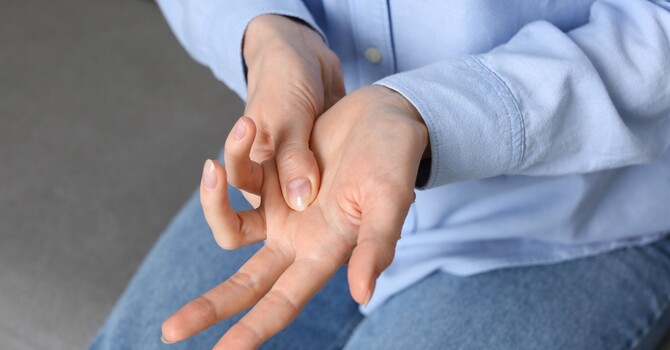
- Gentle alternating tapping
So the next time you’re feeling emotionally dysregulated or mentally stuck, consider going for a walk. Going for a walk is not a substitute for therapy or mental health treatment, but bilateral stimulation through everyday activities can be used as a gentle and supportive tool in your wellness practice. Next time that you find yourself feeling overwhelmed or needing more mental clarity, I encourage you to try it out for yourself and see what happens. Check in with your body and mind to see if you find yourself feeling a litter more regulated and clearer after some rhythmic movement.
.jpg)

