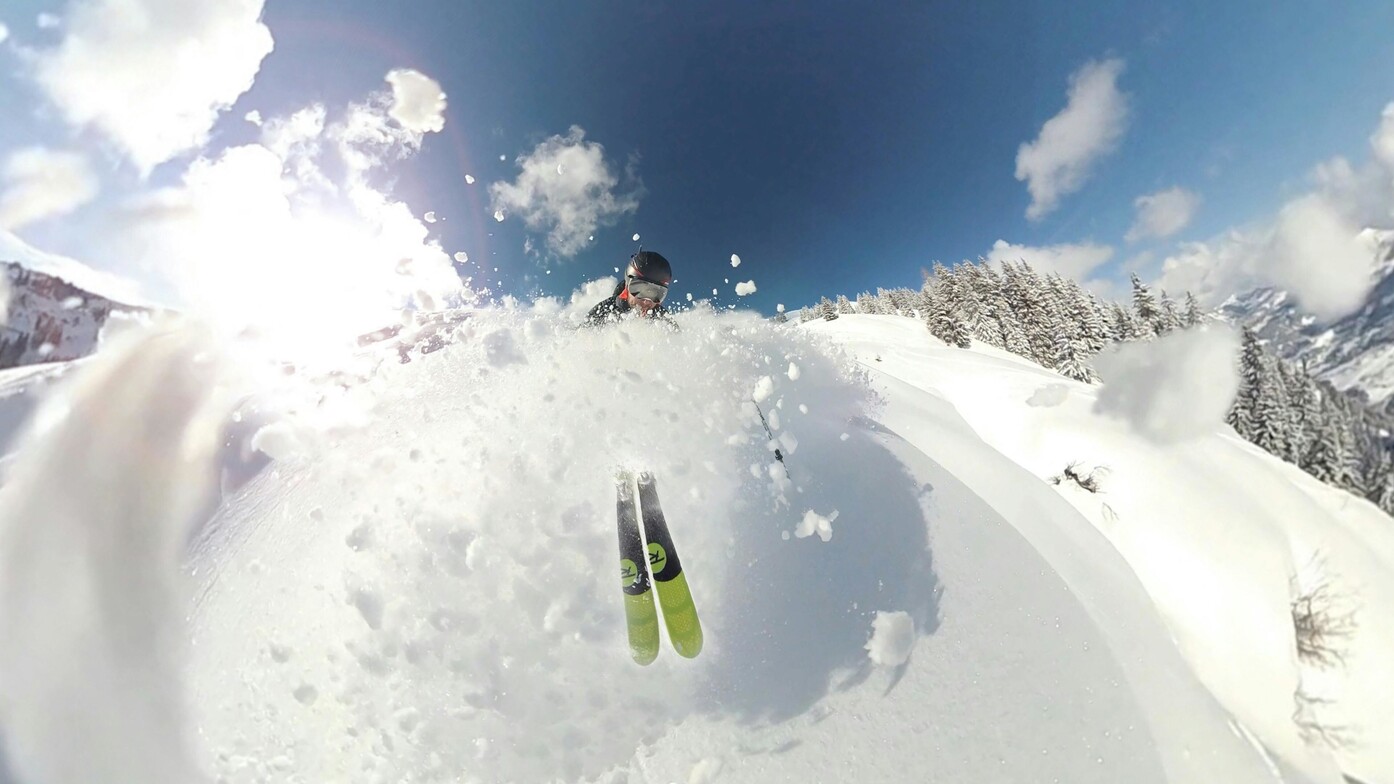
Big White is almost open, and while your skis might be ready, it’s worth giving your body a little tune-up too. Early season snow can be unpredictable, and those first few days back on the mountain often demand more from your muscles, joints, and balance than we expect. A little preparation now can help you feel strong, steady, and ready for the season ahead.
Why Preseason Prep Matters
Early season conditions at Big White can vary from soft powder to hard-packed ice — sometimes all in the same run. This means your body needs to be able to absorb impact, maintain control, and adjust quickly. Without the right preparation, fatigue and stiffness can creep in fast, leading to compensations that increase your risk of injury.
By strengthening key muscle groups and improving your mobility before opening day, you’re giving yourself a head start and setting the foundation for a smoother, more enjoyable winter.
Strength: Building the Foundation for Control and Stamina
Skiing and snowboarding require a blend of power and endurance. Strong legs and a stable core allow you to maintain control on uneven or changing terrain — especially when the snowpack isn’t quite at mid-season quality yet.
Key Areas to Strengthen:
- Quads & Glutes: Support knee stability and help you stay strong in a low stance
- Hamstrings: Balance out quad dominance and reduce strain on the knees
- Core & Back: Keep your upper body stable while your lower body works hard
- Hip Stabilizers: Improve balance, carving ability, and edge control
When these areas are working well, your movements become more confident and efficient — and you’ll feel it from the first run of the day to the last.
Mobility: Moving Smoothly and Safely
Mobility is one of the most overlooked elements of winter sport prep. Tight hips, stiff ankles, and limited thoracic rotation can all increase the likelihood of compensating your way into discomfort.
Focus on Mobility Through:
- Ankles: For better absorption and agility
- Hips: To access a deeper, more comfortable stance
- Thoracic Spine: To improve rotation and reduce strain on your lower back
- Calves: Especially important with ski or snowboard boots
Just a few minutes of mobility work each week can help you feel lighter and more responsive when you strap in.
Balance: Your Built-In Safety Net
Balance plays a big role in preventing falls — especially during those early days when your body is still remembering the rhythm of the slopes. Simple balance training improves proprioception (your body’s internal “GPS”), reaction time, and overall stability.
Even one or two minutes a day of single-leg work can make a noticeable difference.
Don’t Skip a Warm-Up — Even If You’re Eager to Get Going
Cold muscles don’t perform as well, and that can increase your chances of injury. A quick warm-up in the parking lot or before your first run helps your joints move more freely and prepares your muscles for the demands ahead.
A few gentle squats, leg swings, and dynamic rotations can be enough to wake everything up.
A Simple Routine to Get You Started
We’ve created a short, easy-to-follow strength and mobility routine to help you get slope-ready — no equipment required. It’s designed to support your stability, reduce injury risk, and help you feel more confident on opening day.