Have you noticed that your body is changing, even though your eating habits and exercise routine haven't?
For many women, weight gain during perimenopause can be one of the most frustrating changes. You might notice more weight accumulating around your abdomen, difficulty losing weight, or that the strategies that worked in your 20s and 30s are no longer giving you the same results.
These changes aren't necessarily a reflection of your effort or discipline. Hormonal fluctuations during perimenopause can influence body composition, metabolism, and how your body stores fat.
With growing interest in medications like Ozempic, Wegovy, and Mounjaro, many women are wondering whether GLP-1 medications could help manage weight changes during this stage of life.
Let's look at what the research tells us.
Why Does Weight Gain Happen During Perimenopause?
Perimenopause is the transition leading up to menopause, typically beginning in your 40s, although some women experience symptoms earlier.
During this time, estrogen levels fluctuate and eventually decline. These hormonal changes can influence several factors involved in weight management.
Changes in fat distribution: As estrogen declines, women tend to store more fat around their abdomen rather than their hips and thighs.
Loss of muscle mass: Muscle mass naturally decreases with age, particularly when we aren't regularly incorporating resistance training. Less muscle can contribute to a reduction in daily energy expenditure.
Changes in insulin sensitivity: Some women experience changes in how effectively their bodies regulate blood sugar, particularly as abdominal fat increases.
Poor sleep and increased stress: Night sweats, insomnia, and mood changes can affect sleep quality, appetite regulation, energy, and motivation for physical activity.
It's important to recognize that perimenopause doesn't automatically cause significant weight gain. Aging, lifestyle, genetics, and hormonal changes all contribute. However, the redistribution of body fat toward the abdomen is particularly associated with the menopause transition.
What Are GLP-1 Medications?
GLP-1 medications were originally developed to help manage blood sugar in people with type 2 diabetes. Certain medications are now also approved for chronic weight management.
GLP-1 stands for glucagon-like peptide-1, a hormone naturally produced in the digestive system.
These medications mimic the action of GLP-1 and help regulate appetite and blood sugar by:
- Increasing feelings of fullness after eating
- Reducing hunger and food cravings
- Slowing stomach emptying
- Supporting insulin release when blood sugar is elevated
Examples include semaglutide, found in Ozempic and Wegovy, and liraglutide, found in Saxenda. Tirzepatide, found in Mounjaro and Zepbound, works on both GLP-1 and GIP receptors.
Although these medications are often discussed together, they have different approved uses and dosing schedules.
Can GLP-1 Medications Help With Perimenopause Weight Gain?
For women experiencing overweight or obesity during perimenopause, GLP-1-based medications may be a helpful treatment option.
Research has demonstrated that these medications can produce meaningful weight loss and improvements in certain metabolic health markers, including blood sugar regulation.
This is particularly relevant during perimenopause because abdominal fat accumulation and changes in metabolic health can increase the risk of developing conditions such as type 2 diabetes and cardiovascular disease.
However, GLP-1 medications don't directly correct the hormonal fluctuations associated with perimenopause. They are not a treatment for hot flashes, night sweats, or other symptoms caused by changing estrogen levels.
Research specifically examining GLP-1 medications in perimenopausal women is still developing. Much of what we currently know comes from studies involving adults with overweight or obesity across a broader age range.
What About Muscle Loss?
One important consideration when using GLP-1 medications during perimenopause is preserving muscle mass.
Women naturally experience changes in muscle mass and strength as they age. Weight loss, whether achieved through medication or dietary changes, can also result in some loss of lean tissue.
For this reason, I encourage women considering GLP-1 treatment to focus on more than just the number on the scale.
A comprehensive approach should include:
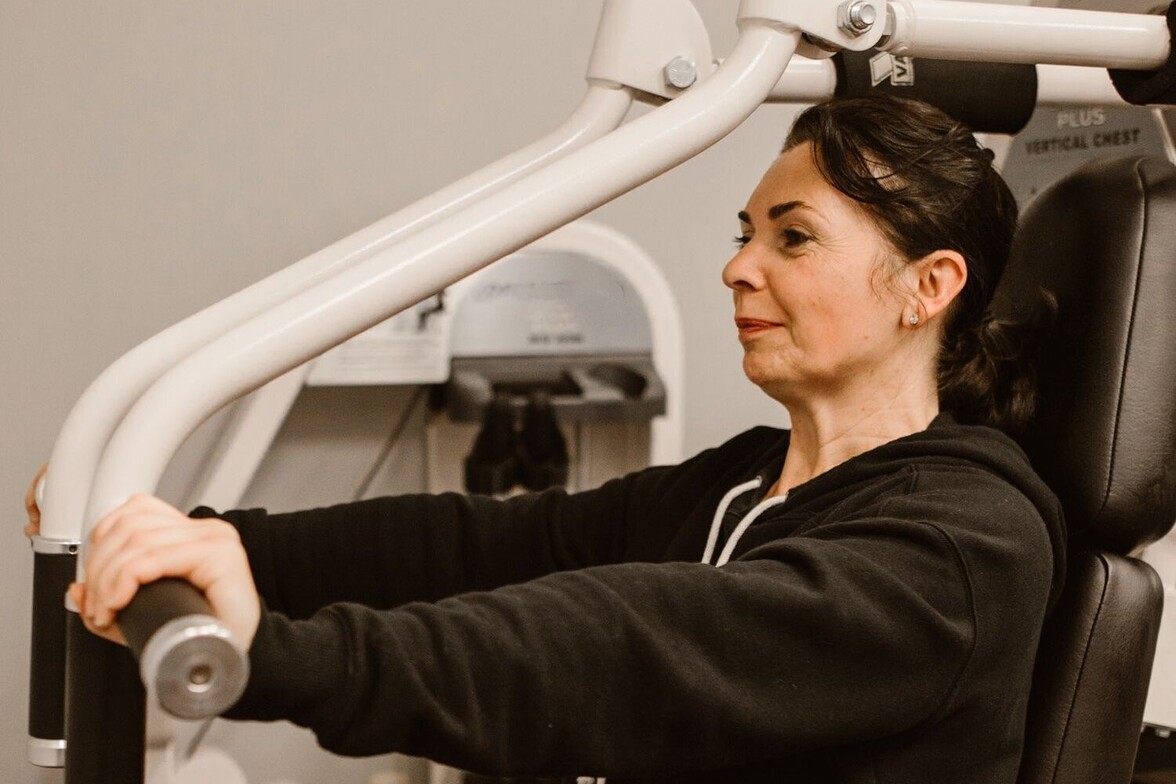
- Strength training: Regular resistance exercise helps preserve muscle mass, strength, and bone health.
- Adequate protein: Eating enough protein supports muscle maintenance, particularly when appetite is reduced.
- Balanced nutrition: Smaller appetites shouldn't mean missing essential nutrients.
- Monitoring body composition: Looking at waist circumference, strength, and metabolic markers can provide a more complete picture of progress.
The goal isn't simply to lose weight. It's to improve metabolic health while maintaining the muscle and strength that become increasingly important as we age.
Are GLP-1 Medications Right for Every Woman?
GLP-1 medications are prescription treatments, and eligibility depends on factors such as body mass index (BMI), weight-related health conditions, medical history, and individual treatment goals.
In Canada, obesity pharmacotherapy is generally recommended for adults with a BMI of 30 or higher, or a BMI of 27 or higher with weight-related health complications, while also considering waist measurements and other clinical factors.
These medications can cause side effects, including nausea, constipation, diarrhea, and reflux. They may not be appropriate for individuals with certain medical conditions and are not recommended during pregnancy.
It's also important to understand that weight regain can occur after discontinuing treatment, meaning long-term planning is an important part of the discussion.
Should You Consider Hormone Therapy Instead?
This is a question I frequently discuss with women experiencing perimenopause.
Menopause hormone therapy (MHT) and GLP-1 medications serve different purposes.
Hormone therapy can be very effective for managing symptoms such as hot flashes, night sweats, and sleep disturbances related to menopause. It may also have favourable effects on fat distribution and body composition.
However, hormone therapy is not considered a weight-loss medication.
GLP-1 medications, on the other hand, primarily target appetite regulation, weight management, and metabolic health.
For some women, addressing perimenopause symptoms with hormone therapy may be an important first step. For others who meet the criteria for obesity treatment, GLP-1 medications may be appropriate alongside other strategies.
These treatments aren't necessarily mutually exclusive. The right approach depends on your symptoms, medical history, and overall health goals.
A Personalized Approach to Weight Management During Perimenopause
If you're struggling with weight changes during perimenopause, it's worth looking at the bigger picture.
At Momentum Health in Kelowna, I work with women to understand how hormonal changes, metabolic health, sleep, nutrition, and lifestyle may be contributing to their symptoms.
Depending on your individual needs, treatment may include:
- Assessment of perimenopause symptoms and hormonal health
- Appropriate laboratory testing, including thyroid and metabolic markers when indicated
- Nutrition and exercise recommendations
- Discussion of menopause hormone therapy
- Assessment of whether prescription weight-management medications may be appropriate
- Ongoing monitoring and adjustments to your treatment plan
There is no single treatment that works for every woman, and weight is only one part of overall health.
If you've been frustrated by changes in your weight or body composition during perimenopause, you don't have to navigate those changes alone.
Book a naturopathic consultation with Dr. Brittany Jeffries at Momentum Health in Kelowna to discuss your symptoms, metabolic health, and treatment options.