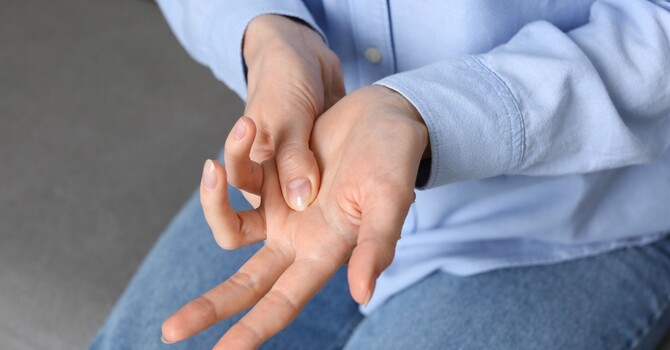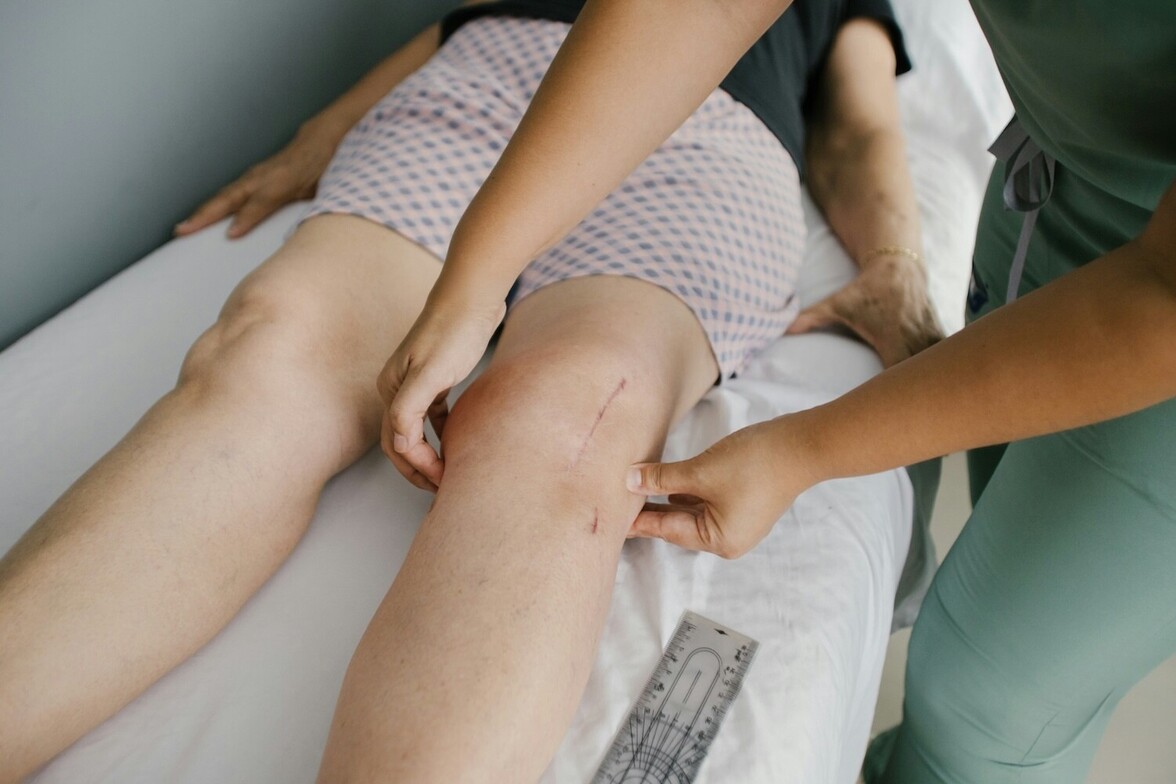
Can scar tissue be broken up? People ask this after almost every surgery, and the answer tends to surprise them. Scar tissue after surgery is normal healing, not a knot, and no amount of pressure will break it up. However, you can still influence how it matures.
What Scar Tissue After Surgery Really Is
When you have surgery, your body repairs the cut with collagen, a tough, fibrous protein. Early on, that collagen is laid down in a disorganized pattern. Over time, your body reorganizes it along the lines of tension, which is why a scar gradually becomes flatter, straighter, and stronger.
Healing happens in overlapping phases, and the timing is a rough guide:
Inflammation: In the first days, your body seals the wound and starts cleaning up.
Proliferation: From about day 3, and lasting 2 to 4 weeks, cells lay down new collagen and the skin edges close.
Remodeling: After the first few weeks, and continuing for several months, collagen is continually broken down and reorganized, and the scar becomes less red.
Why Scar Tissue Can Feel Tight: Tissue Gliding
Healthy tissue is built to slide. Your skin glides over fascia (the thin wrap around your muscles), muscles glide over each other, and tendons glide through their sheaths. That smooth sliding is called tissue gliding, and it is what lets you bend a knee or reach overhead without a pulling sensation.
After surgery, the layers around an incision can feel stuck together. A scar that sticks to the tissue below it is called a tethered scar, and it can make movement feel tight or pinchy. Scar tissue is rarely the whole story, though.
Swelling, pain, protective guarding, and weeks of moving less all add to that stiff feeling. That is good news, because many of those factors respond to movement.
Can You Break Up Scar Tissue?
There is no evidence that hands can break up scar tissue, and the physics suggests it is unlikely. Scar tissue is not a “knot”. It is made of tough collagen (a strong, rope-like protein), and changing its shape would take far more force than hands can apply.
Here is the good news. Your body keeps reshaping a scar for months, and movement and gradual strengthening help guide that process. Hands-on work may help too. Research suggests massage can make a scar feel less tender and move more easily. These benefits do not require anything to be broken up. They may come from changes in sensitivity, comfort, and how confidently you use the area. That makes massage a reasonable, low-risk tool to use alongside exercise, not a cure on its own.
Scar Tissue After Surgery: Three Common Cases
ACL Reconstruction
After ACL surgery, the goals are getting the knee fully straight and bending again while rebuilding the muscles that protect it. Scar-related tightness can show up around the incisions and in the soft tissues at the front of the knee. Early work often includes heel slides, quad sets, and straight leg raises, and each phase builds toward full return. If your knee is not straightening or bending the way your plan expects, tell your physiotherapist early, because stiffness is easier to address when it is caught sooner.
Rotator Cuff Repair
The shoulder is a balancing act. The repair needs protection while it heals, yet the shoulder also tends to stiffen if it is not moved at all. Timing varies by tear size and surgeon, which is why your protocol matters so much. Rehab usually progresses from passive to active motion, with exercises like pendulums and wand range of motion, and then to phased strengthening. For this one, slow and steady protects the repair.
Hip or Knee Replacement
Joint replacement leaves a longer incision and plenty of swelling, and tissues around the joint can feel tight as you begin walking and bending again. Early movement is the main strategy here. Heel slides, marching, sit-to-stands, and gait training help prevent stiffness and speed recovery, while soft tissue work can ease tight, sensitive areas around the scar so exercises feel more comfortable.
When Hands-On Work Starts: A Realistic Timeline
Timing matters. A fresh scar is red and inflamed for the first few months, often 3 to 9 months, and rough handling can irritate it. Firmer techniques are generally saved for mature scars.
Early, wound still healing: At this stage, stitches, staples, or strips are still in place, or the incision is not fully closed. Don't massage the incision. Follow your surgeon's protocol for gentle movement and swelling control.
Closed and cleared: The incision is sealed, with no scabs or drainage, and your surgeon or physiotherapist has said it is fine to start. Begin with light touch around and over the scar, and keep progressing your exercises.
Maturing scar: Over the following months, the scar fades and softens. You can use firmer techniques as tolerated, and work on strengthening and full range of motion.
There is no single date that fits everyone, so check with your surgeon or physiotherapist before you start.
Exercise Rehab: Where Most Progress Comes From
Here is what a good exercise plan does for you:
- It keeps joints from stiffening and tissues gliding while you heal.
- It rebuilds the strength that supports your joint and makes daily tasks easier.
- It gets you back to what you love, whether that is hiking Knox Mountain or skiing at Big White.
At-Home Scar Massage: A Gentle Starting Guide
Once your incision is closed and you are cleared, gentle massage can be a comforting part of your routine. The best schedule is unproven, but typical advice is 3 to 10 minutes per area, a few times a day.
- Check that the scar is closed, with no scabs, drainage, or new redness.
- Use clean fingertips and just enough light moisturizer that your fingers move the skin instead of sliding over it.
- Make light, small circles around the scar, then over it, and move the skin up and down and side to side. Aim for gentle tension, not pain.
- Moisturize afterward, and use sunscreen outdoors, because sun protection is advised until the scar matures.
Stop and call your care team if you notice any of these:
- increasing redness, warmth, or swelling
- drainage, pus, or fever
- wound edges opening
- new calf pain or swelling
Chest pain or sudden shortness of breath is an emergency, so call 911.
Moving Better Starts With a Plan
You do not need to fight your scar. You need to help your tissues glide and strengthen what surrounds it. At Momentum Health in Kelowna, we combine manual therapy and exercise rehab to support recovery from ACL repair, rotator cuff repair, joint replacement, and more. We will build a plan around your surgeon's protocol. Reach out to book an assessment whenever you are ready.
References
Deflorin, C., Hohenauer, E., Stoop, R., van Daele, U., Clijsen, R., & Taeymans, J. (2020). Physical management of scar tissue: A systematic review and meta-analysis. Journal of Alternative and Complementary Medicine, 26(10), 854-865. https://doi.org/10.1089/acm.2020.0109
Di Serio, S., Congiu, M., Minnucci, S., Scalise, V., & Mourad, F. (2025). Current physical therapy for skin scar management: A scoping review. Journal of Clinical Medicine, 14(17), Article 5920. https://pmc.ncbi.nlm.nih.gov/articles/PMC12429749
Patient partners
Contact Me