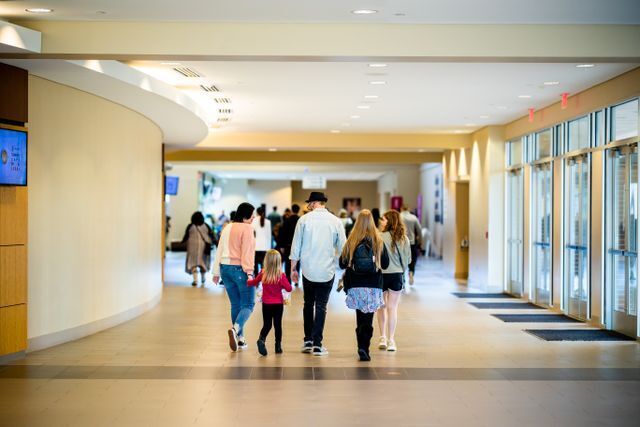
As back to school (or first day of school!) approaches, many parents run into the same difficulty of an emotional, frustrating, difficult time getting their child out of the car and into school.
If you’ve ever experienced your child clinging to you, screaming at you not to leave them at school drop off, I am here to assure you that you're not alone! But you might find yourself wondering, "Why is this so hard for them?"
One way we understand separation anxiety is through the idea that children are still learning how to carry their relationship with you inside themselves, even when you're not physically together.
Carrying You on the Inside
As children grow, they develop what we call an internal representation of the important people in their lives. Think of it as an emotional memory of you that they can hold on to when you're apart.
For adults, this happens so automatically that we rarely notice it. If someone we love goes away for the weekend, we know they're still there, they still care about us, and we'll see them again soon. But young children are still developing this ability. This is why helping children through big life transitions is key.
When this internal sense of their parent is fragile, your absence can feel much bigger. Instead of thinking, "Mum's going to work and she'll be back to get me after school," it can feel more like, "Mum is gone, and I don't know if I'm okay without her." Learn more about some of the big feelings in kids.
This isn't because they're being dramatic or manipulative. It's because their brain is still learning that:
- "My parent still loves me, even when I can't see them."
- "They always come back."
- "I can cope with this feeling."
This inner confidence doesn't appear overnight. It grows through hundreds of everyday experiences.
What You Can Do
You don’t need to be a perfect parent for separation anxiety to go away. Children benefit from knowing that their feelings make sense and that someone will help them through those big emotions.
Simple things can make a real difference:
- Creating a consistent and structured goodbye routine.
- Letting your child know when you'll be back.
- Saying goodbye rather than slipping away unnoticed.
- Remaining calm, warm, and confident, even if your child is upset.
- Reconnecting lovingly when you're together again
These small moments build trust and the internal representation of a parent over time.
Children’s Books about Separation
I always recommend two books for parents to read with their children:
1. The Invisible String by Patricia Karst
This book helps children and parents talk together about internalizing an emotional representation of someone. It includes different activities to help children stay connected to their parents even when they leave. There is even a separate workbook that has more creative ways to do this.
2. You Weren’t With Me by Chandra Ghosh Ippen
I recommend this book for two reasons: The first is that it gives children a voice about their internal experience when they were away from their parent.
The second is that it gives parents an example of how to help children make sense of their big feelings around separating and how to debrief it with them once they are together again.
If your child struggles with goodbyes, remember that they're not just learning how to be apart from you. They're learning something much bigger: that relationships can remain safe, steady, and loving, even across distance.
Every loving goodbye, every reliable return, and every comforting cuddle after you're reunited is helping build that understanding, one experience at a time.

.jpg)

